
Market Prospects of MBBR Filter Media: Growth Drivers, Regional Dynamics, and Future Opportunities
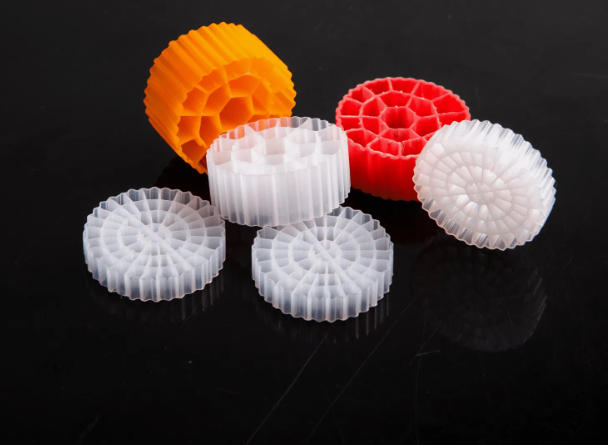
The global market for Moving Bed Biofilm Reactor (MBBR) filter media is poised for robust expansion in the coming decade, driven by a confluence of factors: tightening environmental regulations, growing demand for water reuse, rapid industrialization in emerging economies, and the need to upgrade aging wastewater infrastructure. Unlike niche wastewater treatment components, MBBR filter media serve as a foundational element of a technology that balances efficiency, cost-effectiveness, and scalability—making them integral to addressing global water scarcity and pollution challenges. To understand their market potential, it is critical to analyze growth drivers, regional demand patterns, competitive dynamics, emerging application sectors, and long-term sustainability trends, each of which shapes the trajectory of this market.
1. Core Growth Drivers: Regulatory Pressures and Technological Advantages
The primary catalyst for MBBR filter media demand is the tightening of global wastewater discharge standards, which is forcing industries and municipalities to adopt more efficient treatment technologies. For example:
- In the European Union, the Urban Wastewater Treatment Directive (UWWTD) mandates strict limits on biochemical oxygen demand (BOD), total nitrogen (TN), and total phosphorus (TP) in treated effluent—standards that traditional activated sludge (AS) systems often struggle to meet without significant upgrades. MBBR systems, with their ability to achieve high TN removal via simultaneous nitrification and denitrification (SND), rely on high-performance filter media to meet these targets, driving adoption across EU member states.
- In China, the 14th Five-Year Plan for Water Pollution Prevention and Control (2021–2025) requires industrial parks (especially in petrochemical, food processing, and steel sectors) to achieve “near-zero discharge” of wastewater. MBBR technology, with its compact footprint and low sludge production, is a preferred solution for these parks—and filter media, as a key component, are seeing surging demand.
A second major driver is the cost and operational advantage of MBBR over alternative technologies. Compared to membrane bioreactors (MBRs), MBBR systems have 30–40% lower capital costs and 20–25% lower energy consumption—largely because MBBR filter media eliminate the need for expensive membranes and high-pressure pumping. For cash-constrained municipalities or small-to-medium enterprises (SMEs), this cost differential is decisive. Additionally, MBBR filter media’s long service life (10–15 years for HDPE/PP carriers) reduces replacement frequency and lifecycle costs, further enhancing their appeal.
The global push for water reuse and circular economy is also fueling demand. As freshwater scarcity worsens—particularly in regions like the Middle East, Southwest U.S., and parts of Southeast Asia—recycling wastewater for non-potable uses (e.g., irrigation, industrial cooling, and urban landscaping) has become a priority. MBBR systems, with filter media optimized for polishing secondary effluent to reuse standards, are a critical part of this process. For instance, in Saudi Arabia, the National Water Strategy 2030 aims to increase wastewater reuse from 30% to 50% by 2030; MBBR-based treatment plants, using durable, corrosion-resistant filter media (e.g., PVDF-coated PP), are being deployed to meet this goal, as they can withstand the country’s high temperatures and saline conditions.
2. Regional Demand Patterns: Emerging Economies as Growth Engines
The MBBR filter media market exhibits distinct regional dynamics, with emerging economies (Asia-Pacific, Latin America, and Africa) expected to drive the majority of growth over the next decade, while mature markets (North America, Europe) focus on upgrades and retrofits.
Asia-Pacific: The Largest and Fastest-Growing Market
Asia-Pacific dominates the global MBBR filter media market, accounting for over 45% of 2023 demand—and this share is projected to grow to 55% by 2030. Key drivers include:
- Rapid industrialization: Countries like India, Vietnam, and Indonesia are experiencing a boom in food processing, textiles, and petrochemical industries—all of which generate high-strength wastewater requiring efficient treatment. For example, India’s food processing sector (valued at $500 billion in 2023) produces wastewater with BOD levels of 1,000–5,000 mg/L; MBBR systems, using high-SSA porous filter media (800–1,200 m²/m³), are the preferred solution for treating this effluent.
- Municipal infrastructure upgrades: China and India are investing heavily in upgrading aging sewage treatment plants (STPs) to meet stricter standards. China, for instance, plans to upgrade 5,000+ municipal STPs by 2025 to achieve TN removal rates of >80%; retrofitting these plants with MBBR filter media (a cost-effective alternative to building new facilities) is a top priority.
North America and Europe: Retrofits and Specialized Applications
In mature markets, demand for MBBR filter media is driven by retrofitting existing AS plants and specialized industrial applications:
- In the U.S., the Environmental Protection Agency (EPA)’s Clean Water Act amendments require municipalities to reduce nutrient discharge to combat eutrophication in lakes and rivers. Many older AS plants are being retrofitted with MBBR modules, which require high-quality filter media (e.g., modified HDPE carriers with enhanced biofilm attachment) to boost nitrification efficiency.
- In Europe, the focus is on industrial wastewater treatment for sectors like pharmaceuticals and microelectronics, which require ultra-clean effluent. MBBR filter media optimized for low-nutrient environments (e.g., structured PP carriers with low porosity to prevent clogging) are in high demand for these applications.
Middle East and Africa: Water Reuse and Desalination Brine Treatment
The Middle East is a high-growth niche market for MBBR filter media, driven by water reuse and desalination brine treatment:
- Desalination plants in the region produce large volumes of brine (salinity >70 g/L) that cannot be discharged directly into the ocean without harming marine life. MBBR systems, using salt-tolerant filter media (e.g., PVDF-blended HDPE), are being used to treat brine for reuse in cooling systems—creating a new demand stream for specialized carriers.
- In South Africa, the National Water Act mandates wastewater reuse for agriculture in drought-prone regions like the Western Cape. MBBR filter media with high durability (to withstand frequent use) are being deployed in small-scale decentralized treatment systems for rural communities.
3. Competitive Dynamics: Innovation and Cost as Key Differentiators
The global MBBR filter media market is fragmented, with a mix of large multinational manufacturers (e.g., Veolia, Suez) and specialized regional players (e.g., AnoxKaldnes in Europe, Jiangsu Lvjing Environmental Protection in China). Competition is focused on two key areas: technological innovation and cost competitiveness.
Innovation in Material and Design
Leading manufacturers are investing in R&D to develop next-generation filter media:
- Biodegradable carriers: Companies like BASF are developing carriers made from bio-based polymers (e.g., polylactic acid, PLA) that degrade naturally after their service life, addressing concerns about plastic waste in wastewater systems.
- Smart carriers with sensors: Players like Siemens are integrating micro-sensors into filter media to monitor biofilm thickness and DO levels in real time, allowing for predictive maintenance and optimized aeration—features that command a premium in the market.
- Customized carriers for niche applications: For example, companies in Japan are developing ultra-fine porous carriers (SSA >1,500 m²/m³) for treating low-concentration pharmaceutical wastewater, where high microbial density is required to degrade trace organic compounds.
Cost Competitiveness in Emerging Markets
In price-sensitive markets like India and Southeast Asia, regional manufacturers are gaining share by offering low-cost, high-quality carriers made from locally sourced HDPE. These players often focus on standardized designs (e.g., 10–15 mm porous spheres) that can be produced at scale, reducing unit costs by 15–20% compared to imported media. However, quality remains a concern—substandard carriers made from recycled plastic can leach toxins into wastewater, driving demand for certified products (e.g., ISO 9001-certified HDPE carriers) in regulated sectors.
4. Emerging Application Sectors: Beyond Traditional Wastewater
The market for MBBR filter media is expanding beyond traditional municipal and industrial wastewater treatment into new application sectors that offer significant growth potential:
Aquaculture Wastewater Treatment
The global aquaculture industry (valued at $280 billion in 2023) generates large volumes of wastewater rich in ammonia and organic matter. MBBR systems, using small-sized filter media (5–10 mm) that fit in compact tanks, are being used to treat this wastewater for recirculation in fish farms—reducing water consumption and improving fish health. In Norway, the world’s largest salmon producer, MBBR filter media are now a standard component in land-based recirculating aquaculture systems (RAS).
Microelectronics and Semiconductor Manufacturing
Semiconductor plants require ultra-pure water (UPW) for chip production, and their wastewater contains trace amounts of heavy metals (e.g., copper, arsenic) and organic solvents. MBBR filter media with high adsorption capacity (e.g., graphene-doped HDPE) are being used to remove these contaminants, as they can achieve pollutant levels below 1 ppb—meeting the strict standards of the microelectronics industry.
Decentralized Wastewater Treatment
Decentralized systems (e.g., for rural communities, resorts, and military bases) are a fast-growing segment, as they eliminate the need for expensive sewage pipelines. MBBR filter media with small footprints (e.g., structured PP carriers in modular tanks) are ideal for these systems, as they require minimal space and maintenance. In Brazil, the government’s National Sanitation Plan is funding the deployment of 10,000+ decentralized MBBR systems by 2028—creating a large demand for compact, durable filter media.
5. Long-Term Sustainability Trends: Aligning with Global Climate Goals
The MBBR filter media market is well-positioned to benefit from global sustainability trends, as MBBR technology aligns with the United Nations’ Sustainable Development Goal 6 (Clean Water and Sanitation) and Goal 13 (Climate Action):
- Reduced carbon footprint: MBBR systems consume 20–30% less energy than AS systems (due to no sludge recirculation), and filter media made from recycled or bio-based materials further lower emissions. Manufacturers are increasingly marketing “carbon-neutral” carriers—calculating and offsetting the emissions from their production and transportation.
- Circular economy integration: Some companies are offering “take-back programs” for end-of-life filter media, recycling them into new carriers or other plastic products. This not only reduces waste but also creates a closed-loop system that appeals to eco-conscious customers.
Conclusion
The market prospects for MBBR filter media are exceptionally strong, driven by regulatory pressures, water scarcity, industrialization, and sustainability goals. With a projected compound annual growth rate (CAGR) of 7–9% from 2024 to 2030, the market is expected to reach $1.2–1.5 billion by the end of the decade. Key growth opportunities lie in emerging economies (Asia-Pacific, Middle East), new application sectors (aquaculture, microelectronics), and innovative products (biodegradable, smart carriers). However, challenges remain—including competition from low-cost regional players and the need to adapt to evolving wastewater standards. For manufacturers, success will depend on balancing innovation (to meet specialized needs) with cost competitiveness (to capture price-sensitive markets), while aligning with global sustainability trends to secure long-term demand. As MBBR technology becomes the go-to solution for efficient, scalable wastewater treatment, filter media will remain at the heart of this growth—solidifying their role as a critical component of the global water infrastructure.